

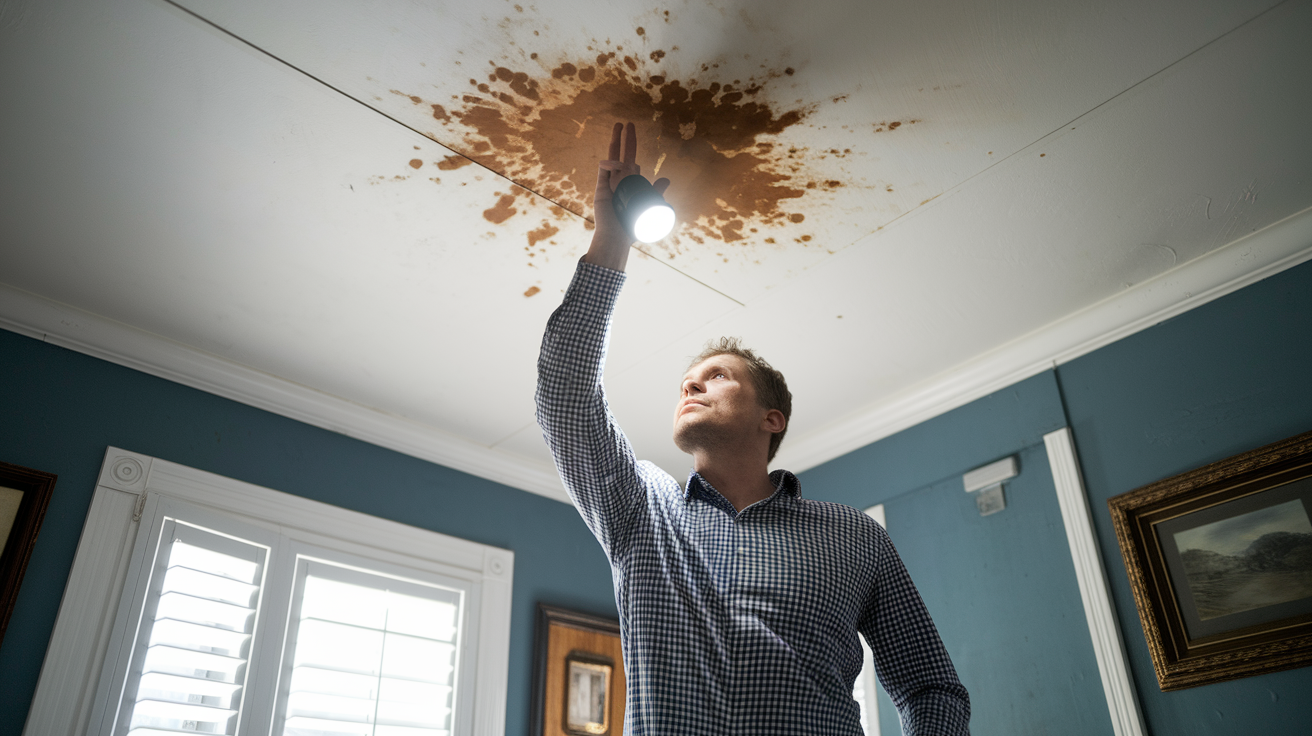

Ever notice how a ceiling that looks fine one day suddenly bulges the next, or how a small water stain becomes a sagging, heavy section that feels like it might let go? A sagging ceiling isn’t just ugly. It’s a safety problem that can collapse without warning, bringing down drywall, insulation, and trapped water all at once. The fix depends entirely on what caused the sag in the first place, whether you caught it early, and if the damage goes deeper than what you see from below. This guide walks you through inspection, root causes, repair steps, and when to call in help.
Inspecting Ceiling Damage: Warning Signs and Safety Assessment

A sagging ceiling can collapse without warning, and when it does, the weight of drywall, plaster, insulation, and trapped water becomes deadly. Before you touch anything or start planning repairs, you need to figure out what you’re dealing with and whether that ceiling might fail right now.
The inspection follows a specific order so you catch the most dangerous stuff first.
Here’s how to check a damaged ceiling thoroughly:
-
Stand back and look at the whole thing from below. You’re looking for discoloration (yellow, brown, dark stains), visible cracks, areas hanging lower than others, and any surface that looks wet or damaged. Take photos. You’ll want to track whether things change over time.
-
Measure how deep the sag goes. Hold a straight board or level against the ceiling, then measure the gap between that board and the lowest point. Anything over one inch means you’ve got severe structural problems that need professional help.
-
Test plaster ceilings with your hand. Press upward gently with your flat palm against the sagging spot. If it feels spongy or gives under light pressure, the plaster keys have broken away from the lath. The material’s lost its grip. This needs repair, not just paint.
-
Check the space above. If you can get into the attic or crawl space above that ceiling, look for water stains on the back of the ceiling material, damaged or sagging insulation, compromised framing, and signs of active leaks.
-
Inspect your basement and foundation. Look for cracks in basement walls, dampness on concrete, water getting in, or signs of bugs. Foundation settling shows up in ceilings before you notice it anywhere else.
-
Find any active water problems. Look for dripping water, wet spots that feel cool when you touch them, or moisture building up. Upper floor sagging usually means roof leaks. Lower floor sagging suggests plumbing problems in the room directly above.
If the ceiling sags more than one inch or you see active water dripping, you need to stabilize things immediately. Put tarps and large containers beneath any leaks to catch water and reduce damage to floors and furniture. Don’t stand directly under severely sagging areas.
Telling the difference between minor damage and serious structural problems determines what you do next. Cosmetic issues like small cracks, slight unevenness, or texture damage that doesn’t actually sag can usually be patched by someone comfortable with DIY work. But if you measure sag depth over one inch, see water damage signs like discoloration or soft spots, find foundation cracks, or notice a ceiling that feels spongy when pressed, contact a licensed contractor. These signs mean the problem goes beyond the surface and involves structural elements, hidden water damage, or compromised materials that won’t hold a simple patch.
Why Ceilings Sag: Identifying the Root Causes
Fixing a sagging ceiling without understanding what caused it just sets you up to repeat the repair in six months.
The most common structural cause involves undersized materials. Ceiling sagging (also called pillowing) happens on top floors when installers use half inch drywall instead of five eighths inch on roof trusses spaced 24 inches apart. The half inch material can’t handle that span. Add the weight of attic insulation pressing down from above and the drywall bows between the joists. It wasn’t strong enough from day one.
Improper installation creates similar problems even when the right materials get used. Proper drywall ceiling installation needs four inch screws spaced 12 inches apart to hold the weight. When installers rush or skip fasteners to save time, the drywall eventually pulls away from the framing and sags under its own weight. Foundation problems from improper land grading, poor original construction, or wet and sandy soil cause long term settling that stresses every part of your home’s structure. The ceiling shows that stress through cracks and sagging as the house shifts.
Water Damage as a Primary Cause
Water weakens ceiling materials faster than anything else. Undetected leaks from corroded pipes or loosened connections behind walls drip onto ceiling materials for weeks or months before anyone notices. The drywall or plaster soaks up moisture slowly, weakening and getting heavier at the same time.
Roof leaks from harsh weather, missing shingles, or poor maintenance let water seep through layers of roofing and insulation until it reaches the ceiling below. A small roof leak might not show up as dripping water. It just keeps the ceiling material damp enough to weaken over time. Flooding from burst pipes, failed washing machine hoses, or overflowing fixtures dumps large amounts of water quickly. The ceiling material absorbs it and sags fast. Condensation buildup from high humidity and poor ventilation in bathrooms and kitchens creates constant moisture that deteriorates ceiling materials. This happens slowly, but the cumulative effect weakens drywall just like a direct leak.
If you notice ceiling sagging on an upper floor directly below the roof, start investigating potential roof leaks. For lower floor sagging, check the plumbing in the room directly above. The location gives you your first clue about where water’s coming from.
Most common causes of ceiling sagging:
Undersized drywall and improper truss spacing: Half inch drywall installed on trusses spaced 24 inches apart can’t support its own weight plus insulation. The proper material is five eighths inch drywall, which has the strength to handle the span without sagging between supports.
Foundation settling and structural movement: When foundations shift due to unstable soil, improper grading that channels water toward the house, or original construction defects, the entire structure moves. Ceilings crack and sag as walls shift beneath them.
Improper installation with insufficient fasteners: Skipping screws or using fasteners that are too short means the ceiling material never had solid attachment. Gravity wins eventually and the drywall pulls away from joists.
Termite or pest damage to support beams: Termites (Isoptera) eat the wooden ceiling joists and roof trusses that hold up your ceiling. The damage stays hidden until the structure weakens enough that the ceiling starts to sag.
Age related deterioration in plaster ceilings: Older homes with plaster ceilings built over wood lath develop problems as the plaster keys (the plaster that squeezed through gaps in the lath and hardened) break away. The plaster loses its grip on the lath backing and sags down.
Excessive weight from insulation or stored items: Blown in insulation added years after construction, items stored in the attic space, or accumulated debris between floors adds weight the ceiling wasn’t designed to carry.
Accurate identification of the cause determines whether you can fix this yourself or need structural work requiring professional intervention. If the cause is undersized material or broken plaster keys, DIY repair might work. If you find termites, foundation cracks, or active water damage, call professionals before you start tearing into ceiling materials. Treating the symptom without fixing the cause just means you’ll repair the same ceiling again next year.
When to Call a Professional for Ceiling Repairs

Some ceiling problems look like weekend DIY projects until you get into them and discover structural damage or hazards that require licensed expertise.
Contact a professional contractor immediately in these situations:
Severe structural damage: If ceiling framing members show rot, breaks, or significant sagging, the repair involves more than just surface materials. This requires structural assessment and potentially engineered solutions.
Sagging exceeding one inch: When the sag depth measures over one inch from the original ceiling plane, the materials and framing have compromised beyond simple fixes. Complete removal and rebuilding becomes necessary.
Active water damage with discoloration: Brown, yellow, or dark stains indicate water has saturated the ceiling materials. You need to identify and fix the water source, then assess hidden damage inside the ceiling cavity before repairs begin.
Mold concerns requiring specialized remediation: If you see black spots, smell musty odors, or find visible mold growth, specialized remediation follows specific protocols to prevent spreading spores throughout your home.
Suspected termite or pest damage: Damage to wooden structural members requires immediate pest control intervention and then replacement of compromised lumber. Patching ceiling materials over weakened framing is dangerous.
Foundation related issues: Cracks in basement walls, visible settling, or ceiling damage that correlates with foundation movement indicates problems requiring structural engineers and foundation specialists.
Asbestos or lead paint presence in older homes: Homes built before 1980 may contain asbestos in ceiling materials or lead paint. Disturbing these materials requires licensed abatement professionals and specific disposal procedures.
Insurance claim situations requiring documentation: If your ceiling damage results from a covered event (storm damage, pipe burst, etc.), professional documentation and repair creates the paper trail insurance companies require for claims processing.
Building codes require permits for structural ceiling work in most jurisdictions. Professional contractors pull the necessary permits, complete work to code specifications, and handle required inspections. If you attempt unpermitted structural work and later sell your home, it creates title complications and potential liability. Insurance coverage also depends on proper permitting. A claim denied due to unpermitted DIY work means you pay for everything out of pocket.
Beyond code compliance, professional assessment makes sense even for issues that seem minor. Contractors use moisture meters and thermal imaging cameras to detect hidden water damage not visible from the surface. They identify whether ceiling damage connects to larger structural issues. Professional mold remediation follows IICRC protocols to prevent health risks. Licensed work comes with warranties that protect your investment if something goes wrong after repair.
Even if you plan to complete repairs yourself, consider paying for a professional assessment first. A structural evaluation costs a few hundred dollars but tells you exactly what you’re dealing with. That information helps you decide whether DIY makes sense or whether this repair needs professional equipment, expertise, and insurance coverage that you can’t replicate working alone.
Repairing Your Sagging Ceiling: Methods and Steps
Two main approaches exist for repairing sagging drywall ceilings, and your choice depends on how invasive a project you’re willing to tackle.
The first method involves complete removal of the old half inch drywall and installation of five eighths inch material in its place. This addresses the root cause by replacing undersized materials with properly specified ones. The challenge comes when you start tearing out ceiling drywall in a room with attic space above. All the insulation sitting on top of that drywall falls down into your room the moment you remove the ceiling. You’ll need to bag and temporarily relocate blown in insulation or pull out batt insulation, complete the drywall replacement, then put insulation back. The work takes longer, creates significant mess and dust, and requires complete furniture removal. But when finished, you’ve got a properly built ceiling that shouldn’t sag again.
The second method installs furring strips below the existing sagging ceiling and hangs a new layer of drywall underneath. This adds about an inch to your ceiling height (making rooms slightly shorter) but avoids the insulation problem entirely. The process is cleaner, faster, and less invasive. It works well for most sagging situations.
Complete Removal and Replacement Method
Removing old drywall means pulling down every fastener, tearing out damaged material, and cleaning the framing before starting fresh. You lose use of the room for several days while insulation is moved aside and the space is open to the attic or floor above. This method makes sense when the existing drywall shows water damage, mold growth, or extensive cracking beyond just sagging. It’s also the right choice if you need to access plumbing or electrical work in the ceiling cavity. You’re essentially starting over, which means you can fix everything properly. But it’s the more labor intensive option and creates significantly more construction debris to haul away.
Furring Strip Installation Method
This method builds a new ceiling plane below the existing sagging one without tearing anything out.
Start by measuring the depth of the sag. If the sag exceeds three quarters of an inch, use 2×2 lumber for furring strips because they provide more rigidity. For shallower sags, 1×3 furring strips work fine and cost less.
Locate the ceiling joists or trusses using a stud finder and mark their positions. Install furring strips perpendicular to the existing framing on 16 inch centers. This spacing gives you solid attachment for the new drywall layer and makes hanging easier than wider spacing. Attach each furring strip to the original ceiling framing with two and a half inch drywall screws spaced every 2 feet. Drive screws deep enough that the furring strip sits tight against the sagging ceiling without gaps.
Once all furring strips are installed, check that they create a level plane using a long straight board and level. Adjust any high or low spots by shimming or planing furring strips as needed. Now hang five eighths inch drywall perpendicular to the furring strips. Use the standard drywall hanging process with screws every 12 inches along each furring strip.
After the drywall is up, tape all joints with paper tape or mesh tape and joint compound. Apply at least three coats of joint compound, sanding smooth between coats. When the surface is smooth and joints are invisible, prime and paint.
Ceiling fixtures (lights, fans, smoke detectors) will now sit recessed above your new ceiling plane. You’ll need electrical box extensions to bring them flush with the new surface. These metal or plastic rings attach to existing boxes and extend them about one inch down. Turn off power at the breaker before adjusting any electrical fixtures.
Plaster ceiling repairs follow a different approach because you’re working with an older material system. For minor sagging where the plaster hasn’t separated completely from the lath, use long drywall screws fitted with plaster washers. Plaster washers are thin metal disks about one and a half inches in diameter with a hole in the center for the screw. They prevent the screw from pulling through the brittle plaster. Insert screws with washers around the perimeter of the sagging area first, catching the lath behind the plaster. Tighten gradually, moving between multiple washers instead of pulling one area tight at once. This approach avoids cracking the plaster. For larger areas with severe separation, you’ll need to cut out the damaged section, install new backing, and patch with drywall or replaster using traditional methods.
Essential Tools and Materials for Ceiling Repair

Having everything on hand before you start prevents mid project trips to the store when you’re covered in dust with a partially demolished ceiling.
| Category | Item | Purpose |
|---|---|---|
| Safety Equipment | Safety glasses, dust mask, work gloves | Protect eyes from falling debris, lungs from drywall dust, and hands during material handling |
| Hand Tools | Utility knife, measuring tape, pencil | Cut drywall and furring strips to size, measure spacing accurately, mark cut lines and joist locations |
| Power Tools | Cordless drill, circular saw or jigsaw | Drive screws into furring strips and drywall, cut lumber and drywall sheets to fit |
| Detection Tools | Stud finder, level | Locate ceiling joists and truss framing behind existing ceiling, ensure furring strips create level plane |
| Ceiling Materials | Five eighths inch drywall sheets | Primary ceiling surface material with proper thickness to resist sagging on 16 inch centers |
| Framing Materials | 1×3 or 2×2 furring strips, two and a half inch drywall screws | Create new ceiling plane below sagging surface, attach furring strips to existing framing |
| Finishing Materials | Paper or mesh joint tape, joint compound, sanding sponges | Tape drywall seams, fill screw holes, create smooth surface ready for primer |
| Paint Supplies | Primer, ceiling paint, roller and tray | Seal joint compound, finish ceiling to match existing surface |
| Plaster Repair | Plaster washers, long drywall screws | Reattach sagging plaster to lath without breaking brittle material |
| Emergency Supplies | Tarps, plastic sheeting, buckets | Protect floors and furniture, catch dripping water during active leaks |
Material quality matters more on ceiling work than wall work because gravity constantly pulls on overhead installations. Cheap drywall screws strip out or break. Low grade joint compound shrinks excessively and requires extra coats. Thin furring strips twist or bow and make it impossible to create a flat ceiling plane.
Buy name brand materials from building supply stores rather than bargain options. Five eighths inch drywall costs about $15 per sheet. A bundle of ten 8 foot 1×3 furring strips runs around $25. Joint compound (a 5 gallon bucket) costs about $20 and covers roughly 400 square feet of seams. A box of 1000 drywall screws costs around $10. For a typical 12×12 room, expect to spend $200 to $300 on materials for the furring strip method. Complete removal and replacement adds costs for insulation handling and debris disposal.
Some items are optional but make the work significantly easier. A drywall lift (available as a rental for about $40 per day) holds sheets against the ceiling while you drive screws, eliminating the need for a helper. A cordless screw gun with adjustable depth settings drives screws faster and more consistently than a standard drill. A shop vacuum with a drywall dust bag attachment catches most of the sanding dust before it spreads through your house. These items increase project costs by $50 to $100 but reduce labor time and mess enough to justify the expense on larger jobs.
Ceiling Repair Costs and Time Estimates
Understanding realistic costs and timeframes helps you plan the project and decide whether DIY makes financial sense compared to hiring contractors.
| Repair Type | DIY Cost Range | Professional Cost Range | Time Estimate |
|---|---|---|---|
| Minor plaster patch (small area) | $30-$75 | $150-$400 | 4-8 hours over 2 days |
| Furring strip method (typical room) | $250-$400 | $1200-$2500 | 2-3 days |
| Complete drywall replacement (typical room) | $300-$500 | $1500-$3500 | 3-5 days |
| Water damage restoration (moderate damage) | Not recommended DIY | $2000-$7000 | 1-2 weeks |
| Structural ceiling repair (foundation or framing issues) | Not suitable DIY | $3000-$12000+ | 2-4 weeks |
Hidden costs appear when you start the project and discover related issues. Water damaged ceilings often reveal mold behind the surface that requires remediation before repairs begin. Old plaster ceilings might contain asbestos that needs professional testing and potential abatement. Foundation related sagging means you’ll pay for structural fixes before repairing ceiling surfaces. Permit fees in some jurisdictions add $50 to $200 to project costs. Dumpster rental for debris removal runs $300 to $500 for a week.
Professional costs include labor rates between $50 and $100 per hour depending on your location, material markups that add 20 to 40 percent over retail prices, insurance and licensing costs built into estimates, and warranty coverage that protects you if problems develop after the work is complete. The price difference between DIY and professional work is significant, but professional crews finish faster, handle permitting, carry insurance if something goes wrong, and often spot related problems before they become emergencies.
Ceiling repair value compared to cost depends on the extent of damage and how it affects your home. Minor cosmetic fixes add minimal resale value but prevent small problems from becoming structural ones. Major repairs that address water damage, structural issues, or building code violations protect your home value and prevent liability issues when selling. If you ignore sagging ceilings, home inspectors flag them during sales transactions, and buyers either walk away or demand price reductions larger than repair costs. Addressing ceiling problems promptly costs less than dealing with compounding damage and negotiating from a weak position during home sales.
Finishing and Matching Your Repaired Ceiling
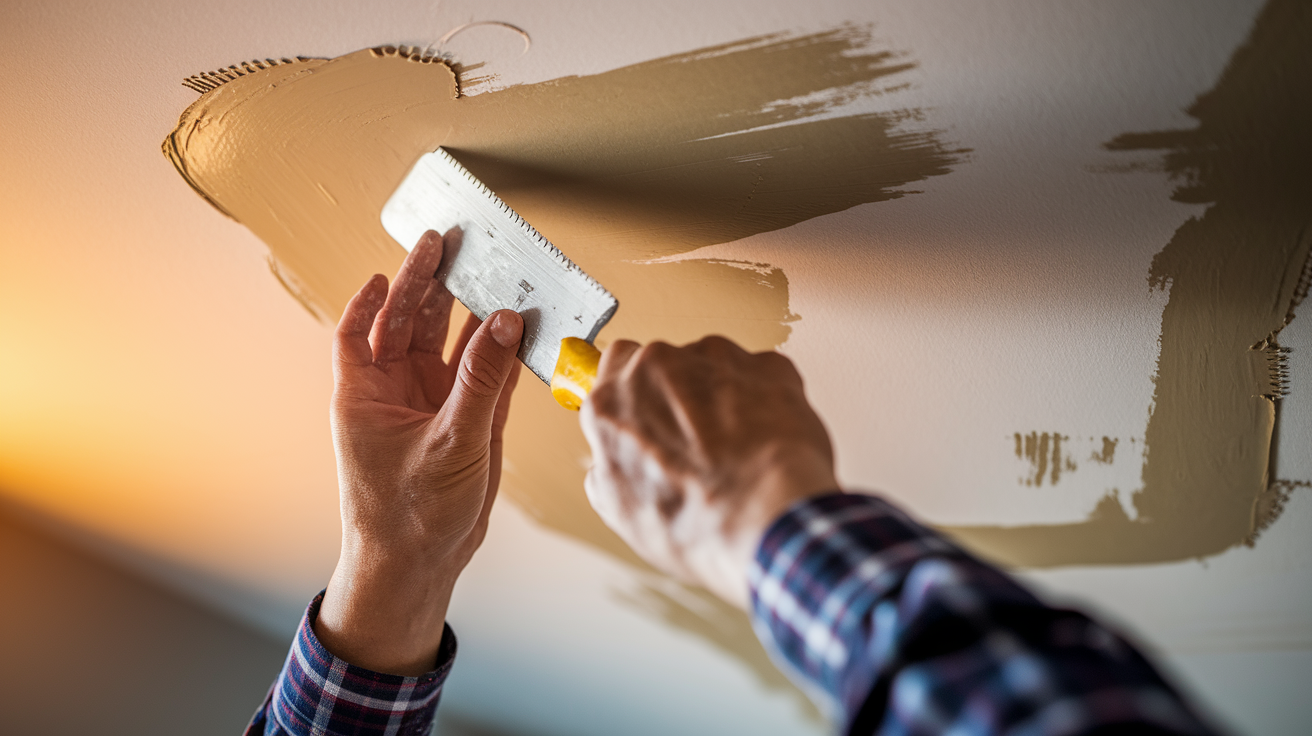
The difference between a ceiling repair that looks professional and one that screams “patch job” comes down to finishing technique and patience with joint compound.
Joint compound application requires thin coats. Thick compound piles make repairs as obvious as the original hole. Apply a thin coat, let it dry completely (usually 24 hours), sand smooth with medium grit sanding sponges, then repeat. Most repairs need three coats minimum. The first coat fills the majority of the joint or hole. The second coat feathers out the edges and brings the surface closer to the surrounding ceiling plane. The third coat finishes the blend and creates the final smooth surface.
Each layer should extend slightly beyond the previous one so the repair gradually blends into the existing ceiling with no visible ridge where compound stops and original surface begins. Hold your sanding sponge at a slight angle and use long, smooth strokes instead of circular motions. Circular sanding creates low spots that show after painting. Let each coat dry completely before sanding. Trying to sand partially dry compound just tears up your work and creates more problems.
Priming isn’t optional. Wallboard compound absorbs paint like a sponge. If you skip primer, the repaired area will look darker and flatter than the surrounding ceiling even after multiple paint coats. Use a stain blocking primer on the repaired areas, then paint the entire ceiling. Trying to spot paint only the repair rarely matches and draws attention to the work you just completed. Plan on rolling two to three coats of finish paint on patched areas to get the sheen and color to match surrounding surfaces. The compound will soak up the first coat almost completely.
Matching ceiling textures takes practice and sometimes trial and error. Smooth ceilings are the easiest to match because you just sand the joint compound flat. Knockdown texture requires applying texture mud with a trowel or sprayer, then lightly flattening the high spots with a trowel after it partially dries. Orange peel and light splatter textures can be matched with texture rollers available at paint stores. Heavy popcorn texture (common in homes from the 1960s through 1980s) requires spray application of acoustic ceiling texture from aerosol cans for small areas or hopper guns for larger sections. The aerosol cans work for patches smaller than 2 feet across. Larger repairs need hopper gun application to blend properly. Practice texture technique on scrap drywall first so you see how the material looks when dry. Texture appearance changes significantly from wet to dry, and what looks acceptable when wet might not match once it cures. If your ceiling has an unusual or complex texture you can’t replicate, consider texturing the entire ceiling to create a uniform new surface rather than trying to match one small section.
Preventing Future Ceiling Sagging and Damage
Preventing ceiling damage costs less than repairing it and protects your home from progressive structural problems that compound over time.
Prevention strategies that reduce ceiling sagging risk:
Control indoor humidity levels below 50 percent: Use dehumidifiers in basements and during humid months, run bathroom exhaust fans during and 20 minutes after showers, vent clothes dryers outside rather than into the house, and monitor humidity with an inexpensive hygrometer.
Ensure proper ventilation in moisture prone areas: Install and use exhaust fans in bathrooms and kitchens, leave bathroom doors open after showering to promote air circulation, check that attic spaces have adequate ridge and soffit vents, and consider whole house ventilation systems if you have chronic moisture issues.
Conduct regular visual inspections every six months: Look for early warning signs like small cracks, minor discoloration, or slight surface irregularities, check ceilings after heavy rain or plumbing use, examine areas below bathrooms and plumbing fixtures most carefully, and photograph any concerns so you can track whether they’re progressing.
Maintain gutters and downspouts seasonally: Clean gutters twice yearly in spring and fall, ensure downspouts direct water at least 6 feet away from foundation walls, repair sagging or detached gutter sections promptly, and consider gutter guards if tree debris clogs your system frequently.
Address leaks immediately when discovered: Don’t wait to see if a small water stain gets worse, identify and repair leak sources before fixing cosmetic damage, dry affected materials thoroughly to prevent mold, and verify repairs worked by monitoring the area through several rain cycles.
Use proper materials and installation techniques: Specify five eighths inch drywall for all ceiling applications, space ceiling fasteners 12 inches apart maximum, ensure roof trusses or ceiling joists are spaced appropriately for materials used, and verify attic insulation weight doesn’t exceed ceiling load capacity.
Schedule pest inspections annually in termite prone regions: Professional inspectors identify early signs of infestation before structural damage occurs, treatment costs less when caught early, and preventive treatments reduce infestation risk in areas with known termite activity.
Monitor foundation health and address settling promptly: Watch for new cracks in basement walls or floor slabs, track whether foundation cracks are stable or growing, maintain proper grading so water flows away from your foundation, and consult structural engineers if you notice progressive settling or movement.
Create a maintenance schedule that fits your home’s specific risk factors. Homes in humid climates need more frequent moisture checks. Older homes with plaster ceilings benefit from annual professional inspections. Houses on unstable soil or in areas with high termite activity need specialized preventive monitoring.
Prevention extends ceiling lifespan from 20 years to 50+ years and protects your property value by avoiding deferred maintenance issues that show up during home inspections. Small investments in preventive work (fixing minor roof leaks, improving ventilation, controlling moisture) cost hundreds of dollars. Ignoring these issues until ceiling damage develops costs thousands. The return on prevention comes through avoided major repairs and maintaining structural integrity that protects your home’s market value when it’s time to sell.
Final Words
A sagging ceiling won’t fix itself, and waiting only increases the risk of collapse and the cost of repairs.
Whether you choose the furring strip method or complete replacement, the key is addressing the root cause, not just the visible sag. Water damage, structural issues, and improper installation all need different solutions.
Start with a thorough inspection. If you see discoloration, measure more than an inch of sag, or suspect foundation or termite problems, call a licensed contractor before you climb a ladder.
For straightforward repairs within your skill level, follow the steps carefully and don’t rush the finishing work. Thin coats of joint compound, proper sanding, and multiple paint layers make the difference between a repair that shows and one that disappears.
Once you know how to fix a sagging ceiling, you can move forward with confidence and restore safety to your home.
FAQ
Can a sagging ceiling be repaired?
A sagging ceiling can be repaired using methods like installing furring strips beneath existing drywall and adding a new layer, or completely removing damaged material and replacing it with thicker five-eighths inch drywall. The repair approach depends on the severity of sagging and underlying cause.
What does ceiling sagging look like?
Ceiling sagging looks like a downward bow or dip in the ceiling surface, often creating a pillowy appearance between joists. You might notice visible cracks, separation from walls, discoloration from water damage, or areas hanging more than an inch from the original position.
How to disguise a sagging ceiling?
You should not disguise a sagging ceiling because it indicates structural problems or water damage requiring immediate repair. Attempting to hide the issue with paint or cosmetic fixes leaves the root cause unaddressed, increasing the risk of collapse and potential injury or property damage.
Why is my drywall ceiling sagging?
Your drywall ceiling is sagging because of undersized half-inch drywall installed on trusses spaced too far apart, insufficient fasteners during installation, water damage from leaks or condensation, excessive weight from insulation, foundation settling, or age-related deterioration. Water intrusion and improper materials are the most common causes.
When should I call a professional for a sagging ceiling?
You should call a professional for a sagging ceiling when it hangs more than one inch from the original position, shows water damage or discoloration, covers a large area, or when you suspect structural damage, mold growth, termite damage, or foundation issues requiring specialized assessment and repair.
How do furring strips fix a sagging ceiling?
Furring strips fix a sagging ceiling by creating a new support framework attached directly to ceiling joists, allowing you to install fresh five-eighths inch drywall beneath the damaged ceiling without removing old material. This method uses 1×3 strips on 16-inch centers secured with screws every 2 feet.
What causes water damage to ceilings?
Water damage to ceilings is caused by corroded or loosened plumbing pipes leaking slowly inside walls, roof leaks from weather damage or poor maintenance, flooding from burst pipes or malfunctioning appliances, and condensation buildup from high humidity in bathrooms and kitchens with inadequate ventilation.
How thick should ceiling drywall be?
Ceiling drywall should be five-eighths inch thick, especially when joists or trusses are spaced 24 inches apart. Half-inch drywall cannot handle the span and weight of insulation, leading to pillowing and sagging between joists over time, requiring eventual replacement or reinforcement.
What are plaster washers used for?
Plaster washers are thin metal disks fitted onto long drywall screws to prevent the screw heads from pulling through brittle plaster when tightening sagging areas. You tighten them gradually by moving between multiple washers to avoid cracking the plaster during the repair process.
How many coats of paint does a repaired ceiling need?
A repaired ceiling needs several coats of paint on patched areas because wallboard compound absorbs significantly more paint than the surrounding original surface. Plan for primer plus at least two to three finish coats to achieve proper color matching and blend the repair seamlessly.