

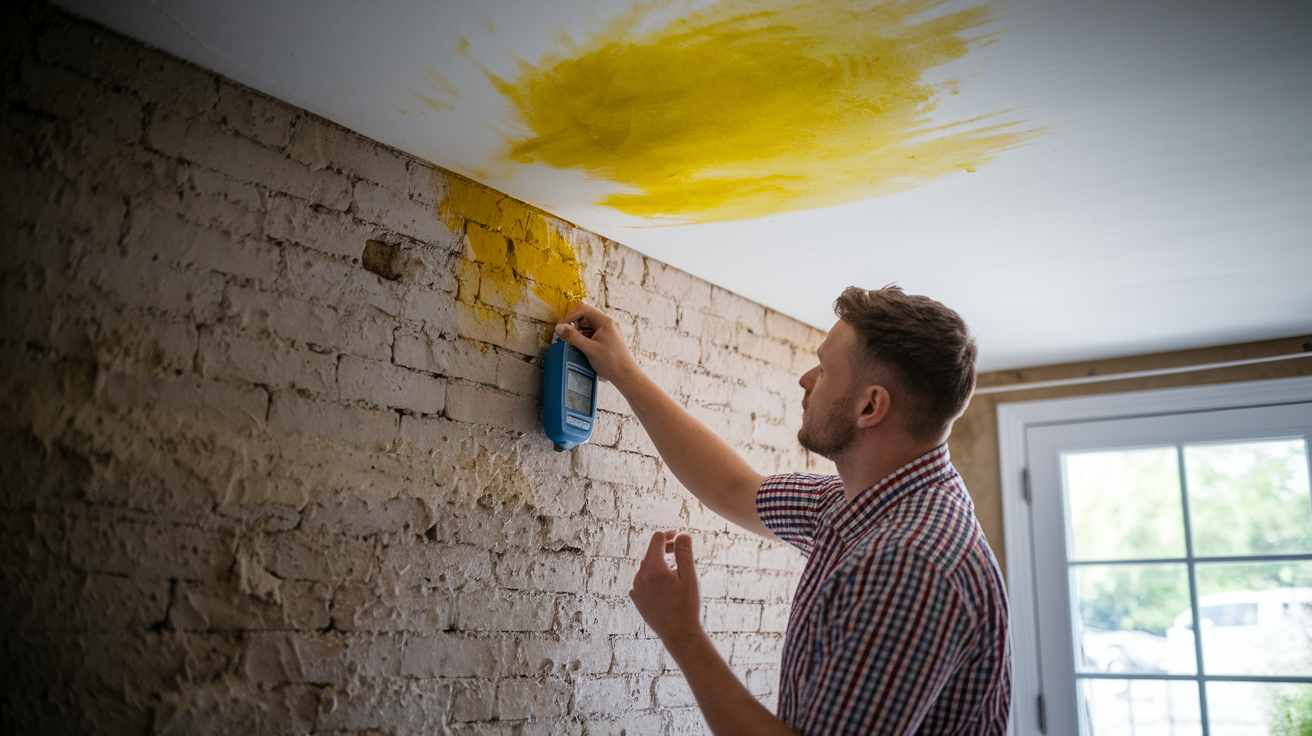

Ever notice how a small water stain today becomes a soft spot in the ceiling tomorrow? Structural water damage doesn’t announce itself with alarms. It shows up quietly as a crack in the foundation, a sagging floor joist, or drywall that feels softer than it should. These warning signs tell you moisture is attacking load-bearing parts of your home right now. Catch them early and you’re looking at targeted repairs. Miss them and you’re facing expensive failures that affect safety and resale value.
Recognizing Structural Water Damage: Critical Warning Signs to Inspect Now
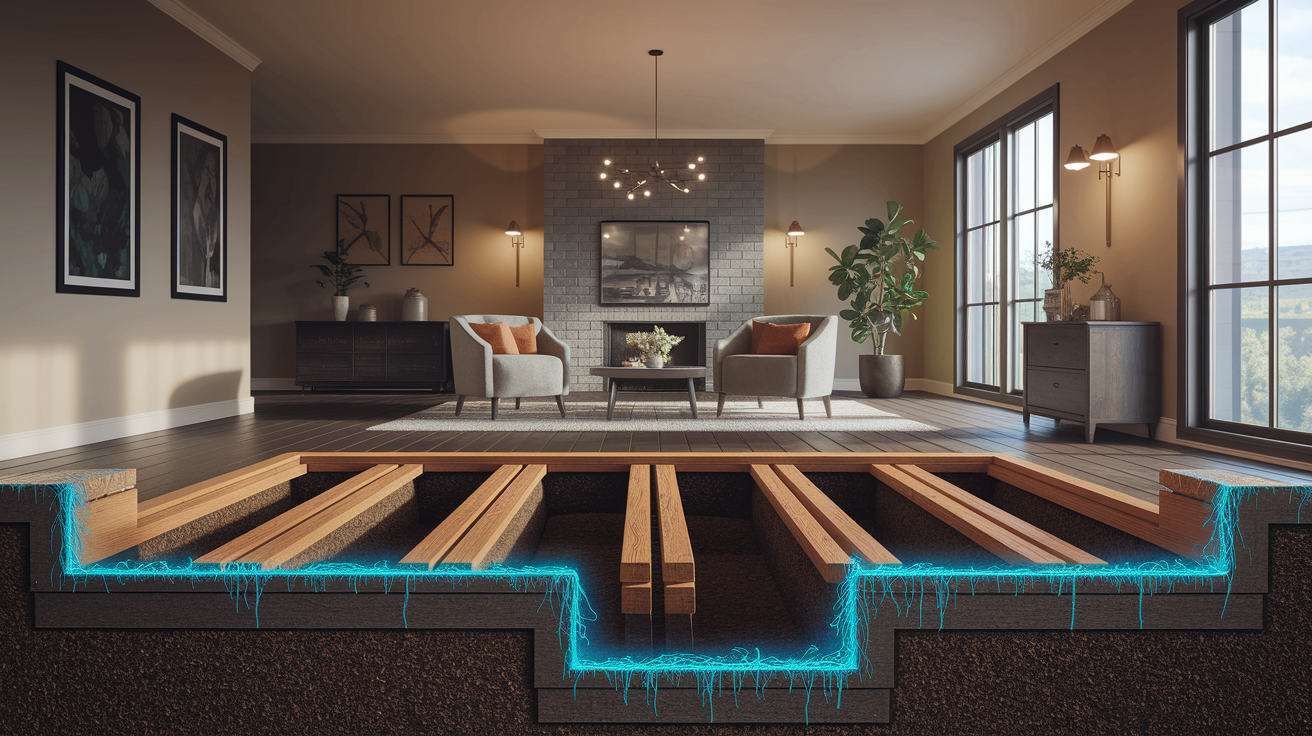
Structural water damage messes with your home’s safety and value. You need to catch it before small problems turn into expensive failures. We’re not talking about cosmetic issues that only affect finishes. This is about load-bearing components, the stuff that holds up your entire house. Joists, beams, foundation walls, subfloors. When these elements weaken from moisture exposure, repair costs climb fast and the risks go way beyond dollars.
Warning signs show up differently depending on where they appear in your home. A ceiling stain from a roof leak doesn’t look like foundation cracks from poor drainage, but both tell you that structural components need attention now.
Foundation and Basement Water Damage Indicators
Water affects concrete and masonry foundations differently than wood framing or drywall. Concrete is porous, so water can move through it slowly over time. It carries dissolved minerals and salts that get left behind when the moisture evaporates. This process weakens the material and creates visible warning signs you can spot during a walk around your basement or crawl space.
Efflorescence shows up as white chalky deposits or crusty residue on interior foundation walls. It’s caused by salts left behind when moisture seeps through concrete and evaporates on the inside surface. If you see this white residue, water is moving through your foundation right now.
Foundation cracks develop when excess moisture in the soil causes expansion that presses against walls. Horizontal cracks usually signal serious pressure problems and structural stress. Vertical cracks are common but still need monitoring. Stair-step cracks that follow mortar joints in block foundations indicate settlement or ongoing movement. Any crack wider than a quarter inch needs professional assessment. Cracks that show displacement, where one side is offset from the other, tell you the foundation is actively shifting.
Standing water in basements or crawl spaces points to drainage problems or leaking plumbing. Pooling water outside along foundation walls signals poor drainage that leads to material deterioration and mold growth. Persistent dampness on foundation walls means moisture is working its way in and needs to be stopped at the source, even without standing water.
Wall and Ceiling Structural Damage From Water Intrusion
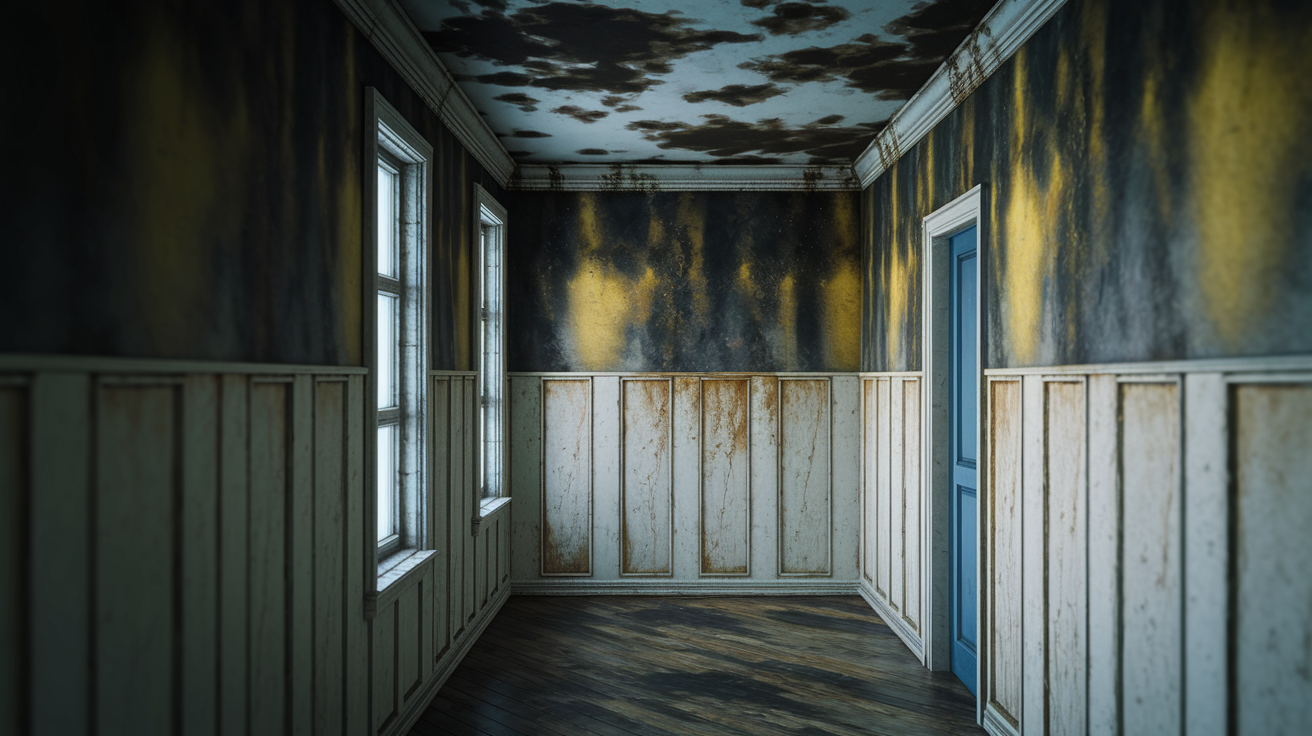
Water stains reveal active or historical leak patterns. Their appearance tells you about severity. Fresh stains look darker, with defined wet edges. Old stains fade to yellow or brown but show you where water traveled. Irregularly shaped drips or streaks show water has traveled down the wall from a source above. Circular stains that spread outward usually mean a pipe leak behind the wall. Large brown patches on ceilings directly below bathrooms or plumbing fixtures point to ongoing leaks that have saturated materials over time.
Drywall deterioration happens when the material absorbs moisture and loses its structural integrity. Saturated drywall sags or becomes warped, with visible bulges where the paper facing swells. Soft spots develop when you press gently against the wall and it gives more than it should. The drywall has turned mushy from water absorption. Long-term moisture creates cracks or sections that crumble when touched, which means the gypsum core has broken down completely.
Paint and wallpaper damage serves as surface symptoms of deeper moisture problems underneath. Bubbling or blistering paint results from moisture trapped beneath the surface, pushing the paint film away from the wall. Flaking paint occurs when moisture seeps in and weakens paint adhesion, causing pieces to chip off in layers. Peeling paint is the most obvious sign, with sheets lifting away from the wall. This requires immediate attention to address the water source.
Severity progression to watch for:
- Early stage: Minor discoloration or small water spots with intact wall texture
- Developing damage: Paint bubbling or peeling with slight wall swelling when touched
- Significant deterioration: Visible sagging, soft spots larger than your hand, or sections that feel spongy
- Advanced failure: Large sections of drywall pulling away from studs, visible mold growth, or material crumbling
- Critical collapse risk: Ceiling sections with deep sags, water stains covering several square feet, or areas that visibly droop when viewed from the side
Floor Structural Damage and Subfloor Deterioration
Hardwood floors show moisture damage through cupping, where board edges lift higher than the center, creating a concave surface. Crowning is the opposite, with the center of boards rising higher than the edges. Buckling happens when wood bends, lifts, curves, or separates dramatically, sometimes pulling completely free from the subfloor. These changes mean water has saturated the wood from below, causing it to expand unevenly.
Soft or spongy spots when walking signal subfloor rot or joist damage underneath the finished flooring. The subfloor, usually plywood or OSB, loses its strength when water saturated. You’ll notice the floor flexing or bouncing more than usual in these areas. If it feels soft enough to compress under your weight, the structural layer supporting your floor has failed.
Tile and grout deterioration shows up as loose tiles that rock when you step on them, cracked grout lines that widen over time, or complete separation where tiles lift away from the underlayment. Moisture breaks down the adhesives holding tile layers together. Grout stains that won’t clean off indicate water seepage through the grout lines into the subfloor below.
Water saturated carpet padding becomes soft or spongy under the carpet surface. Persistent dampness that returns after drying attempts, discoloration that spreads outward from a central point, and musty padding odor all indicate ongoing moisture problems underneath. Carpet that feels cold or clammy even in warm weather usually means water is trapped in the padding.
Wood Rot and Structural Framing Deterioration
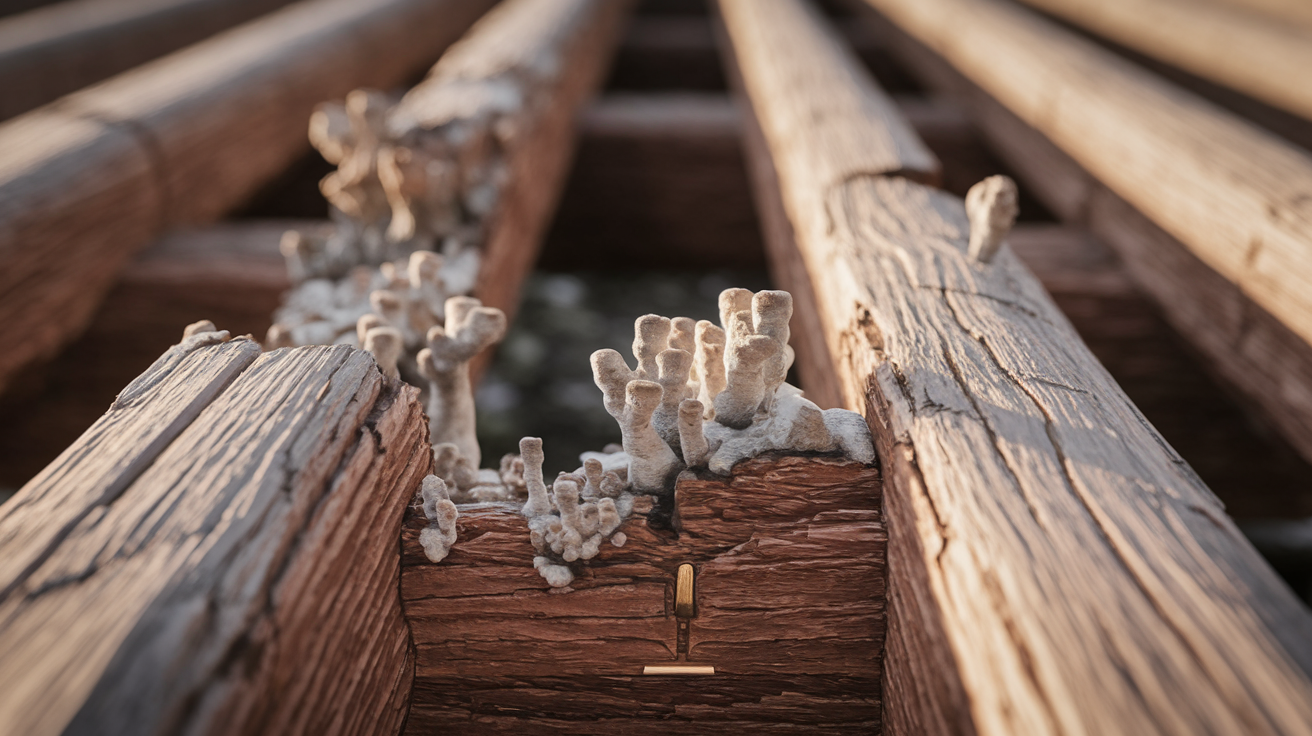
Prolonged moisture exposure causes wood rot in joists, beams, and sill plates. The sill plate is the horizontal board that sits on top of the foundation and supports the entire wall frame above it. Wood rot happens when fungi break down the wood fibers, turning solid structural lumber into soft, weakened material that can’t carry loads properly. Rotting wooden beams, floor joists, and posts lose their strength gradually, but the damage accelerates once it starts.
Rotted wood shows distinct tactile and visual signs you can check during inspections. The surface feels soft or spongy when you press a screwdriver tip against it. Solid wood resists penetration, but rotted sections let the tool sink in easily. Dark coloration appears as the wood breaks down, usually brownish black or gray. The wood crumbles or breaks apart in chunks rather than splintering when you poke it. Fungal growth, often white and stringy or dark and powdery, appears on the surface and indicates active decay.
When load bearing components rot, your home’s structural integrity is at risk. Floor joists that sag create bouncy or uneven floors above. Beams that weaken can’t support walls properly, leading to cracks and settlement. Sill plates damaged by rot compromise the entire wall section above them. This type of deterioration requires immediate professional assessment and repair to prevent progressive failure.
Mold Growth and Odor Indicators of Structural Water Damage
Visible mold growth appears as black, green, or white patches in damp areas. Black mold typically shows up as dark spots or streaks on walls, ceilings, and around windows. Green mold often grows on wood surfaces and appears fuzzy or powdery. White mold looks like a thin coating or cotton-like substance on surfaces. The texture varies from flat and spreading to raised and thread-like depending on the mold type and moisture level. These patterns appear most often where humidity stays high and air circulation stays low.
Persistent musty odors indicate mold or mildew growth thriving in damp conditions, particularly in poorly ventilated basements or utility rooms. The smell resembles damp earth, old books, or wet cardboard. This odor from mold and mildew persists even after cleaning, signaling ongoing dampness issues that need investigation. If you smell it but don’t see visible growth, mold is likely hidden within wall cavities, under flooring, or in other concealed spaces.
Mold spores trigger respiratory issues, allergic reactions, and health problems especially in children, elderly, and immunocompromised individuals. Symptoms include coughing, wheezing, nasal congestion, throat irritation, and skin rashes. Prolonged exposure can worsen asthma and cause chronic respiratory conditions. Visible mold growth or persistent odors require expert inspection due to health hazards, especially before attempting any removal work yourself.
Persistent odors indicate hidden moisture in structural cavities even when no visible signs exist on wall or ceiling surfaces. Water trapped inside wall framing, above ceiling insulation, or beneath subfloors creates an environment where mold thrives out of sight. The smell travels through small gaps and becomes noticeable before the damage becomes visible.
Excessive humidity, condensation patterns, and increased utility bills warn of hidden structural water damage affecting HVAC efficiency. High humidity levels require setting thermostats higher in winter or lower in summer to maintain comfort. Increased heating and cooling bills result from humidity making air feel colder in winter and hotter in summer, forcing HVAC systems to work harder. Condensation or dampness in specific areas raises concerns even without visible leaks, especially on windows, exterior walls, or in corners where air doesn’t circulate well.
Common locations where mold indicates structural water damage:
- Behind walls near plumbing lines or exterior surfaces exposed to weather
- Under flooring, especially around bathrooms, kitchens, and entry doors
- In insulation within exterior walls or attic spaces with roof leaks
- Around window frames where seals have failed or flashing has deteriorated
- In HVAC systems and ductwork where condensation occurs
- Crawl spaces with poor ventilation and ground moisture problems
Exterior Structural Water Damage Warning Signs
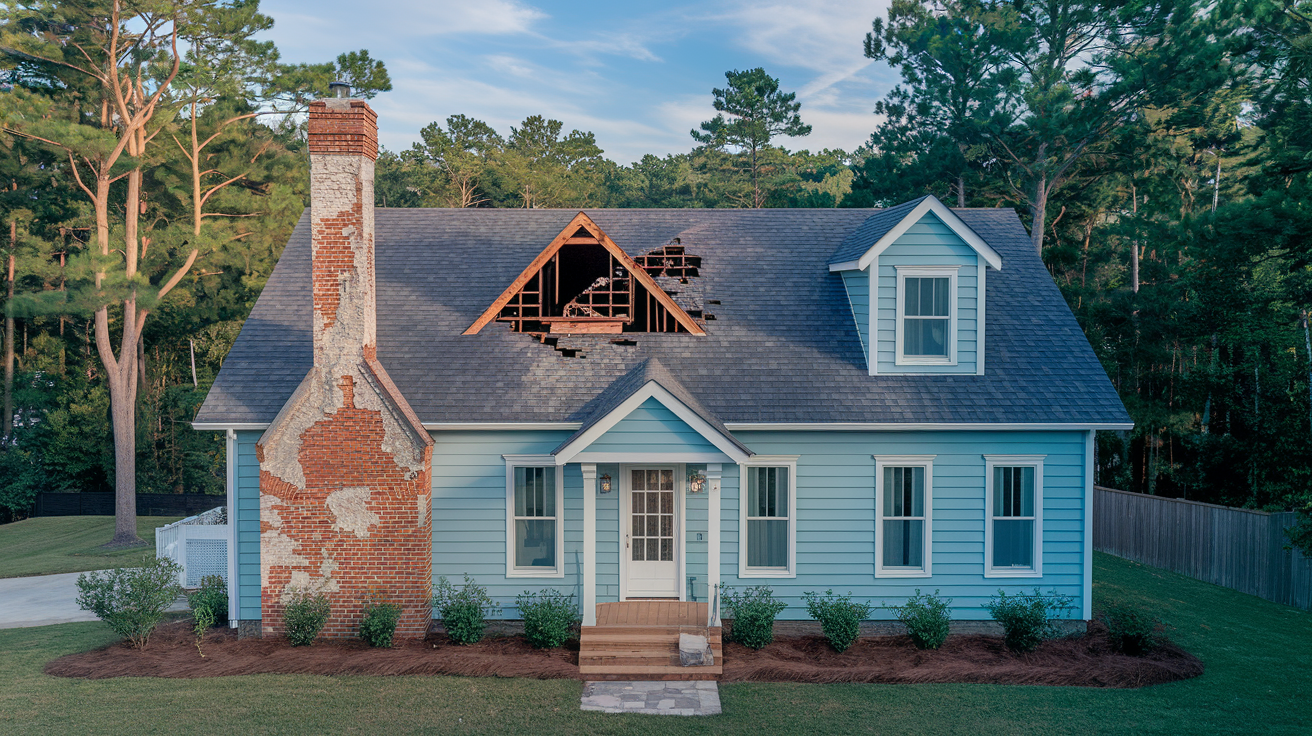
Fascia and soffit damage shows up as rot, staining, or separation along the edges of your roofline. Fascia boards are the vertical boards mounted at the point where the roof meets the outer walls. Soffits are the horizontal surfaces underneath the eaves. Both components protect roof framing from weather. When you see dark stains, wood that feels soft when pressed, or boards pulling away from the house, roof drainage isn’t working correctly and water is getting behind these protective layers.
Siding issues include warping where boards bow outward or twist, separation where gaps open between siding pieces or where siding pulls away from the wall, and moisture stains that appear as dark streaks or discoloration. These problems mean water is getting behind the siding and reaching the structural sheathing and framing underneath.
Chimney cracks and deteriorating mortar create water infiltration pathways into your home’s structure. Vertical cracks in chimney masonry let water run down inside the chimney chase. Crumbling mortar between bricks allows water to seep through joints. White staining on brick surfaces shows efflorescence from moisture migration. Any of these conditions let water reach wood framing inside walls adjacent to the chimney.
Foundation exterior signs include concrete deterioration like chipping or flaking, which happens when water freezes and thaws inside concrete pores, and perimeter drainage issues where soil slopes toward the house instead of away from it. Pooling water along foundation walls after rain, clogged or missing gutters and downspouts, and downspouts that discharge too close to the foundation all contribute to water pressure against foundation walls.
Common Causes of Structural Water Damage in Homes
Different water sources affect different structural components depending on where the water enters and how long it stays. Roof leaks typically damage attic framing, insulation, and ceiling joists first, then work down into walls. Plumbing failures behind walls saturate drywall, studs, and insulation. Foundation leaks attack sill plates, subfloors, and floor joists. Appliance malfunctions flood floors and rot subfloor materials. Understanding the source helps you identify which structural areas need inspection.
Sudden events like pipe bursts and flooding cause immediate, visible damage that gets attention quickly. Gradual deterioration from slow leaks and condensation causes hidden damage that spreads over months or years before you notice symptoms. Slow leaks are often more destructive to structural components because they provide constant moisture that keeps materials saturated long enough for rot and mold to establish.
| Cause | Affected Areas | Damage Timeline |
|---|---|---|
| Roof leaks from storms or aging shingles | Attic framing, ceiling joists, insulation, interior ceilings and walls | Gradual over months to years, accelerates with each rain event |
| Plumbing failures (pipe leaks, bursts, slow drips) | Wall studs, drywall, subfloors, cabinets, flooring | Bursts cause immediate damage; slow leaks damage over weeks to months |
| Appliance malfunctions (water heaters, dishwashers, washing machines) | Floors, subfloors, baseboards, adjacent wall cavities | Immediate if catastrophic failure; gradual if slow seepage |
| Foundation drainage problems | Foundation walls, sill plates, floor joists, basement finishes | Gradual over seasons and years, worse during wet periods |
| Gutter problems (clogs, damage, poor positioning) | Fascia, soffit, roof edge, foundation, basement walls | Gradual, worsens with each rain, accelerates during heavy storms |
| Sewer backups and clogged drains | Basement floors, subfloors, lower level walls, foundation | Immediate flooding, contamination adds health risks |
| HVAC condensation and ventilation issues | Ductwork, insulation, wall cavities near units, attic framing | Gradual over months, often unnoticed until mold appears |
| Storm and flooding events | All structural components depending on water level and entry points | Immediate and severe, requires emergency response |
Inspection Methods and Detection Tools for Water Damage

Visual inspection techniques work best when you focus on high risk areas systematically. Start in bathrooms, checking around toilets, tubs, and showers for floor softness and wall discoloration. Move to kitchens and look under sinks, around dishwashers, and near refrigerator water lines. Basements need careful attention along foundation walls, around sump pumps, and near water heaters. Attics show roof leak evidence through stains on rafters and wet insulation. Be especially vigilant after heavy rainfall or natural disasters for new signs like bubbling paint or dark patches.
Two main moisture meter types exist for detecting hidden moisture: pin type and pinless, each with unique advantages. Pin type meters use two metal probes that you insert into the material to measure electrical resistance between them. Higher moisture content means lower resistance. These meters work well for getting precise readings at specific depths but leave small holes. Pinless meters use electromagnetic sensors that scan surfaces without penetration, making them faster for checking large areas but less precise about moisture location within thick materials.
Thermal imaging cameras detect temperature variations caused by moisture without invasive methods. Wet materials appear cooler than dry materials because water absorbs and holds more heat. The camera screen shows temperature differences as color variations, making it easy to spot moisture patterns behind walls and ceilings. Professional restoration begins with thorough assessment using specialized equipment like this to identify the extent of damage and mold growth. You can use a thermal imaging camera post restoration to detect trapped moisture or thermal anomalies behind walls and ceilings that indicate incomplete drying.
Key areas to inspect during a systematic home water damage assessment:
- Bathrooms, especially around tubs, showers, toilets, and under sinks where plumbing connections are frequent
- Kitchens near dishwashers, refrigerator water lines, and under sinks
- Laundry rooms around washing machine connections and drain lines
- Basements along foundation walls, near sump pumps, and around water heaters
- Attics for roof leak evidence, especially after storms
- Crawl spaces for ground moisture, standing water, and damaged insulation
- Around all windows and doors where seals can fail and let water through
Severity Assessment: Minor vs. Critical Structural Damage
Damage severity depends on surface area affected, depth of penetration, and which structural component is involved. A small ceiling stain from a minor roof leak might only affect drywall and paint if caught early. The same size water intrusion into a load bearing beam creates a critical situation because rotted wood can’t hold up the structure above it. Consider how long water has been present. Fresh dampness caught within hours usually causes minimal damage. Water that’s been soaking in for weeks or months reaches deeper into materials and creates conditions for mold and rot.
Emergency situations requiring immediate professional response include any structural component showing signs of failure. Sagging ceilings that look ready to collapse, floors with large soft areas that bounce when you walk, foundation cracks wider than a half inch that show recent growth, or any situation where you can see water actively flowing into structural cavities. Contaminated water from sewage backups creates immediate health hazards. Large scale flooding that affects multiple rooms overwhelms DIY approaches and needs professional water extraction and drying within 24 to 48 hours to prevent permanent damage.
| Severity Level | Signs | Urgency | Typical Response |
|---|---|---|---|
| Minor/Cosmetic | Small water spots, slight paint bubbling, isolated damp areas less than 1 square foot | Monitor closely, address within days | Identify source, dry area thoroughly, repaint when fully dried |
| Moderate | Multiple stains, soft drywall sections, visible mold spots, persistent musty odor | Address within 48 hours | Stop water source, professional moisture assessment, potential drywall replacement |
| Severe | Sagging ceilings or floors, large soft areas, extensive mold growth, foundation cracks wider than 1/4 inch | Professional assessment within 24 hours | Emergency water extraction, structural evaluation, material removal and replacement |
| Emergency/Critical | Active ceiling collapse, major floor sag, foundation displacement, widespread flooding | Immediate evacuation and professional response | Emergency stabilization, comprehensive restoration, potential structural reinforcement |
Health and Safety Risks From Structural Water Damage
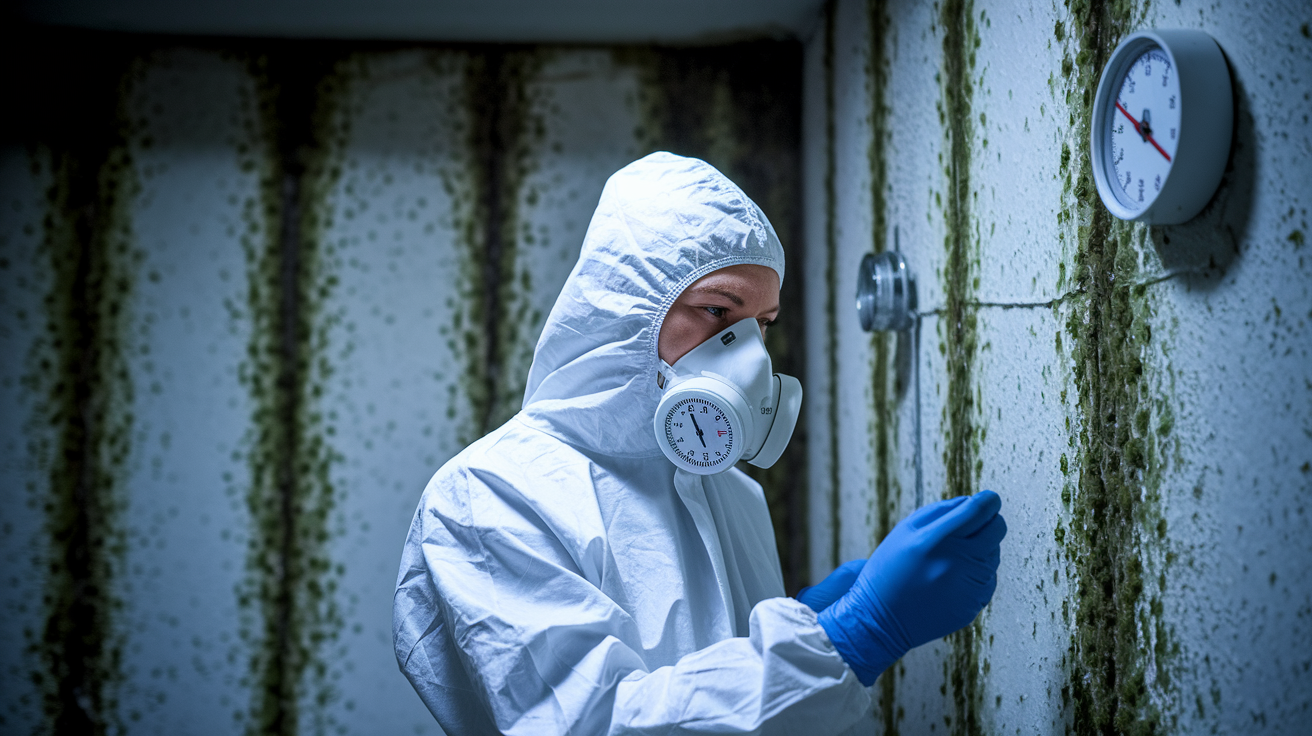
Mold spores trigger respiratory issues, allergic reactions, and health problems especially in children, elderly, and immunocompromised individuals. Inhaling mold spores irritates lung tissue and nasal passages, causing coughing, wheezing, nasal congestion, and throat irritation. People with asthma often experience more frequent attacks when exposed to mold. Skin contact with mold can cause rashes and itching. Long term exposure may lead to chronic respiratory conditions that persist even after the mold is removed.
Respiratory and allergic reactions happen because mold releases spores and mycotoxins into the air. Your immune system treats these as foreign invaders, triggering inflammation in your airways, sinuses, and lungs. Even people without previous allergies can develop sensitivities after repeated exposure. Symptoms often worsen at night or when spending extended time in affected rooms. Damp conditions alone, even without visible mold growth, increase dust mite populations and release volatile organic compounds that irritate airways.
Structural collapse risks from weakened load bearing components, floors, and ceilings create immediate physical danger. Rotted floor joists can’t support normal loads and may fail suddenly when someone walks across the weakened area. Ceiling joists saturated with water sag progressively until sections fall. Water damaged stairs become unstable and can collapse underfoot. Foundation walls weakened by cracks and water infiltration may shift or bow inward, threatening walls above. These failures happen without warning and can cause serious injury.
When to Call a Professional for Structural Water Damage
DIY inspection and repair have clear limitations when dealing with structural issues. You can spot surface problems and catch early warning signs, but assessing how far water has penetrated into walls, whether floor joists have rotted, or if foundation damage threatens structural integrity requires training and tools most homeowners don’t have. Small cosmetic repairs like repainting a dried ceiling spot are manageable. Anything that affects framing, load bearing components, or spreads across multiple rooms needs professional evaluation before you start cutting into materials.
Professional assessment capabilities include specialized equipment and expertise you can’t easily replicate. Moisture meters and thermal imaging cameras map hidden water damage behind surfaces. Borescopes let professionals look inside wall cavities without major demolition. They know building codes, understand how structural systems work together, and can calculate whether damaged components need reinforcement or full replacement. Their experience helps them spot secondary problems you might miss, like mold growth in HVAC ductwork or subfloor damage hidden under flooring.
Professional restoration involves a systematic approach starting with thorough assessment using specialized equipment to identify the extent of damage and mold growth. Water extraction removes standing water and saturated materials. Industrial dehumidifiers and air movers dry structural components thoroughly, which can take several days. Damaged materials such as drywall, insulation, or flooring may need removal and replacement to ensure safety. When structural framing is compromised, repairs include sistering new lumber alongside damaged joists or beams, or complete replacement depending on deterioration level. The final phase involves reconstruction, painting, and returning the space to livable condition.
Specific scenarios requiring immediate professional help:
- Extensive mold growth covering more than 10 square feet or affecting multiple surfaces throughout the home
- Foundation cracks wider than 1/4 inch, horizontal cracks, or any cracks showing displacement or active water seepage
- Sagging structural members including floor joists, ceiling joists, or beams that show visible deflection or bouncing
- Multiple affected rooms where water damage has spread through connected spaces or different floor levels
- Unknown water source where you can’t identify where water is entering or what’s causing persistent dampness
- Contaminated water from sewage backups, flooding, or any water that contacted soil, which creates health hazards beyond standard water damage
- Pre-sale inspections when you’re buying or selling and need documented assessment of water damage extent and repair requirements
Estimated Repair Costs and Timeline for Structural Water Damage

Cost factors include damage extent, which materials are affected, how easy they are to access, and whether structural reinforcement is necessary. A ceiling stain that only damaged drywall costs far less than the same stain that also rotted ceiling joists. Confined damage in an open basement is easier to repair than damage hidden behind finished walls requiring demolition to access. Structural repairs cost more because they require engineered solutions, inspections, and sometimes permits. Materials range from basic drywall and paint to expensive hardwood flooring or custom matching finishes.
Insurance considerations and documentation requirements for claims mean you need thorough records before repairs start. Take photos and videos of all damage from multiple angles. Document the water source and what caused it. Get written estimates from licensed contractors. Most insurance policies cover sudden events like pipe bursts but exclude gradual damage from deferred maintenance. Read your policy carefully and file claims promptly. Insurance adjusters often require moisture readings, mold testing results, and proof that repairs follow proper remediation protocols. Keep all receipts and communication records throughout the process.
| Damage Type | Cost Range | Timeline | Complexity |
|---|---|---|---|
| Minor drywall repair (small area, cosmetic) | $300 to $800 | 1 to 3 days | Low, patch, sand, paint match |
| Significant floor replacement (one room) | $2,000 to $6,000 | 3 to 7 days | Medium, subfloor inspection, material removal, new flooring installation |
| Foundation crack repair (minor to moderate) | $500 to $3,000 | 1 to 3 days | Medium, epoxy injection or patching, exterior drainage improvements |
| Joist or beam replacement (limited area) | $1,500 to $5,000 | 3 to 7 days | High, temporary support, structural member removal, new lumber installation, inspection |
| Complete basement remediation (mold, water damage) | $5,000 to $15,000 | 1 to 3 weeks | High, water extraction, demolition, mold remediation, drying, reconstruction |
| Comprehensive structural restoration (multiple areas) | $15,000 to $50,000+ | 3 to 8 weeks | Very high, engineering assessment, major framing work, foundation repair, full remediation |
Preventing Structural Water Damage: Maintenance and Monitoring
Prevention costs significantly less than structural repair. Fixing a small roof leak before it rots attic framing costs hundreds instead of thousands. Cleaning gutters twice a year prevents foundation water infiltration that would require basement waterproofing and structural repairs. Regular inspection catches problems early when they’re still manageable. The money and stress you save by maintaining your home’s water protection systems far exceeds the time and modest cost of preventive work.
Regular maintenance creates an early warning system for potential problems. When you inspect the same areas routinely, you notice changes fast. A new ceiling stain, fresh foundation crack, or slightly soft floor spot gets attention before it spreads. You develop familiarity with how your home looks and feels in normal condition, making it easier to spot when something’s wrong. Seasonal inspections after storms, freezing weather, or heavy rain catch damage while it’s fresh and easier to trace to its source.
Specific preventive maintenance tasks with recommended frequency:
- Gutter cleaning twice yearly, in spring and fall, more often if you have overhanging trees
- Roof inspection annually and after major storms, checking for missing or damaged shingles and proper flashing
- Plumbing checks annually, inspecting visible pipes for corrosion, drips, or moisture stains
- Grading verification after landscaping work, ensuring soil slopes away from the foundation at least 6 inches over 10 feet
- Sealant inspection around windows and doors every two years, checking caulk and weatherstripping for gaps or deterioration
- Dehumidifier use in basements and crawl spaces during humid months, maintaining relative humidity below 50 percent
- Ventilation improvements including bathroom exhaust fans, attic vents, and crawl space vents kept clear and functional
- Appliance hose replacement every five years for washing machines, dishwashers, and refrigerator water lines
- Sump pump testing before wet seasons by pouring water into the pit to verify operation and check valve function
- Foundation waterproofing inspection every five years, looking for coating damage or deteriorating drainage systems
- Water bill monitoring monthly for unexpected increases that indicate ongoing hidden water damage or new leaks
- Seasonal storm preparation including checking roof, gutters, drainage, and emergency equipment before severe weather seasons
For comprehensive water damage repair and remediation coordination when prevention efforts aren’t enough and structural damage needs professional assessment, working with experienced restoration specialists ensures repairs address root causes and restore your home’s structural integrity properly.
Final Words
Catching the signs of structural water damage in home early makes the difference between a straightforward repair and a major structural rebuild.
Stains, soft spots, cracks, and musty smells all tell you where water has traveled and what it’s doing to the bones of your house.
The sooner you spot these warnings and act on them, the less damage occurs and the lower the repair cost.
If you see widespread problems, persistent dampness, or anything that affects load-bearing components, bring in a pro. Some issues need expert eyes and the right equipment.
Stay ahead of water damage with regular inspections and basic maintenance, and you’ll keep your home safe, dry, and solid for the long run.
FAQ
How do I know if my house has structural damage?
You know your house has structural damage when you notice signs like sagging ceilings, large cracks in walls or foundations, soft or spongy floors, doors that won’t close properly, or visible bowing in load-bearing walls. These indicators suggest the home’s structural integrity is compromised and requires professional inspection.
How to tell if water damage is serious?
Water damage is serious when it affects structural components like floor joists, wall studs, or foundation materials, causing sagging, soft spots, or large discolored areas. Serious damage also includes visible mold growth, persistent musty odors, or water infiltration covering multiple rooms or entire walls.
How long does it take for water to cause structural damage?
Water can cause structural damage within 24 to 48 hours as materials absorb moisture, leading to swelling, warping, and mold growth. Prolonged exposure over weeks or months causes wood rot, foundation deterioration, and weakening of load-bearing components that threaten the home’s stability.
What does structural damage to a house look like?
Structural damage to a house looks like sagging or bulging walls and ceilings, wide cracks in foundations or interior walls, buckled or soft flooring, separating trim, and doors or windows that stick or won’t close. You might also see visible wood rot, crumbling concrete, or areas where materials appear darkened and deteriorated.